Job Overview
Location: Elmira, Ontario
Structure: Two-story, detached house with two residential units
Problem: Mouse activity inside one unit
Service: Mouse treatment and exclusion
Visits: 3
Summary
A homeowner in Elmira reported mouse activity inside one of two units in a detached house. Our initial inspection confirmed activity and identified exterior openings that required exclusion to reduce continued access into the structure.
The service was completed over three visits. Interior tamper-resistant bait stations were installed during the initial treatment. After the exclusion work was approved, our team sealed 14 feet of foundation gaps, protected one exterior wall vent, and added two exterior rodent bait stations. At the final visit, no further mouse activity was reported and the exclusion work was confirmed in place.
Background / Property Context
The property is a two-story detached house containing two residential units. Mouse activity had been reported within one unit, requiring an inspection of both the affected interior areas and accessible exterior portions of the building.
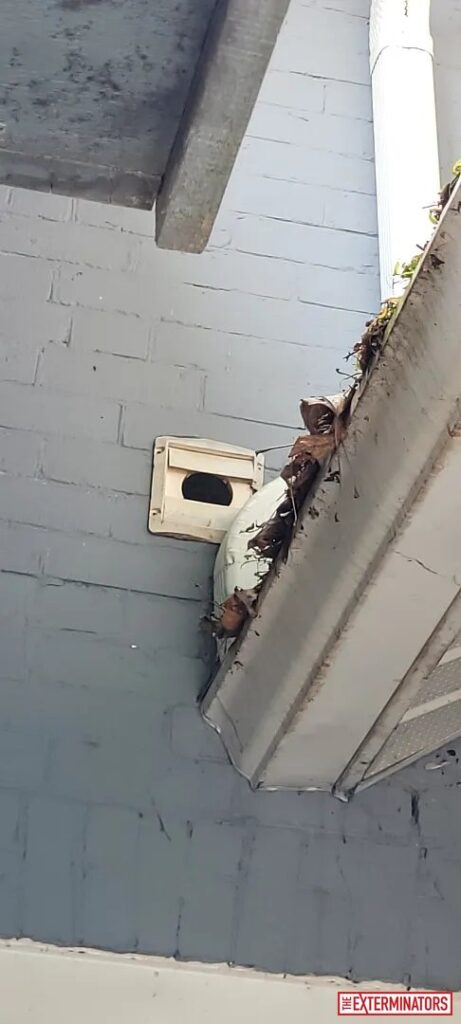
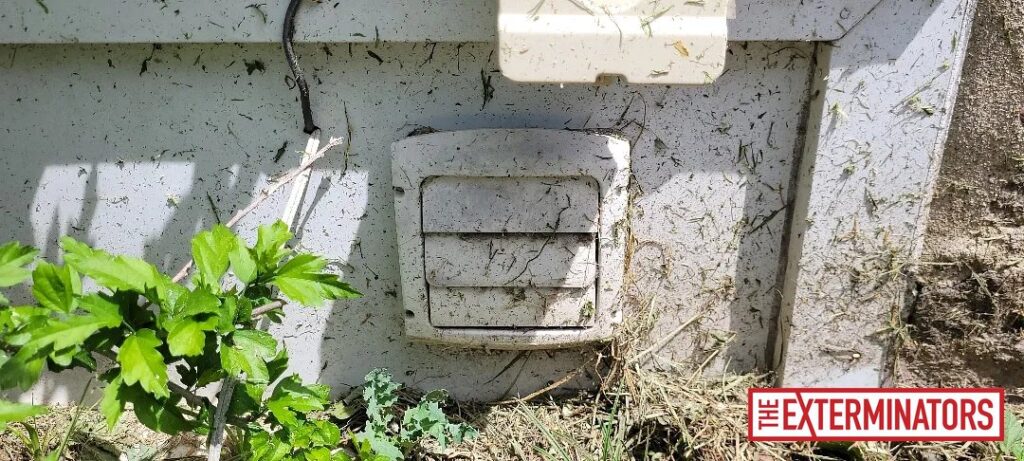
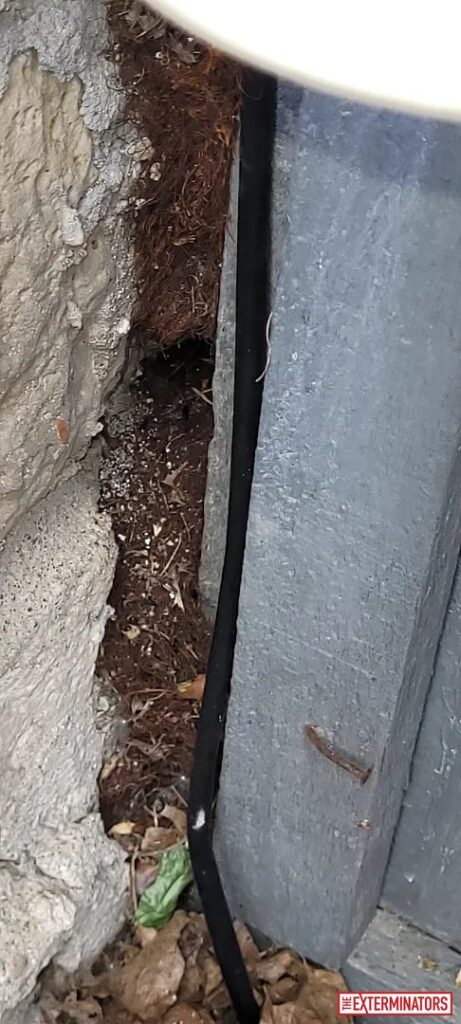
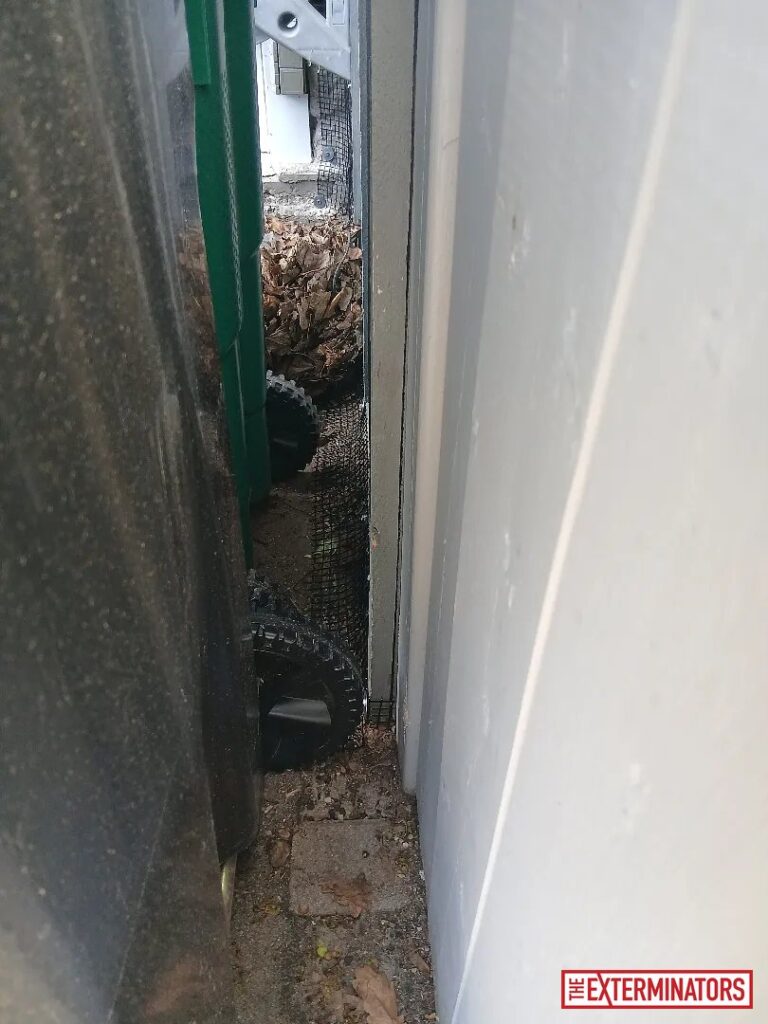
The exterior included foundation transitions and a wall vent that could provide potential access where openings were present. Photographs from the inspection also document narrow gaps around exterior structural transitions and areas requiring exclusion.
Customer Concern
The homeowner reported mouse activity inside one of the units and requested an assessment to determine how mice were entering the building.
The objective was to control the existing interior activity and identify exterior openings that could support recurring entry.
Inspection & Findings
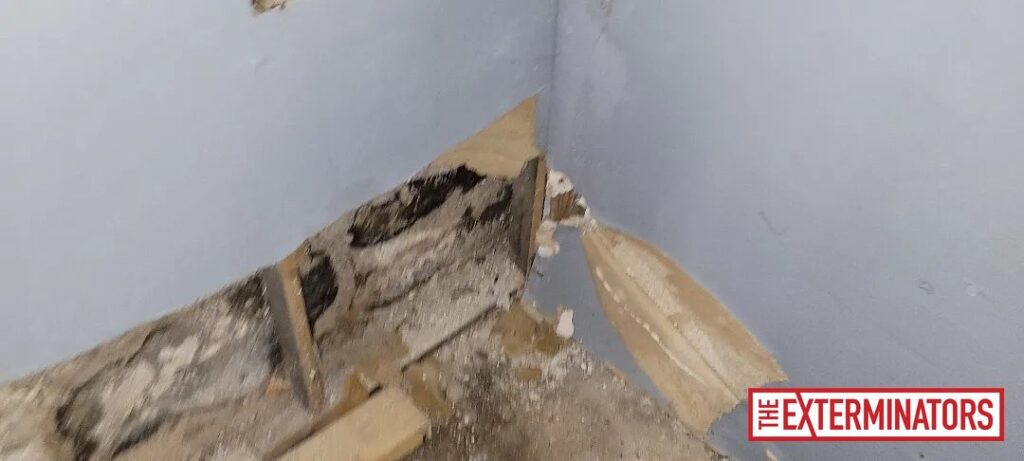
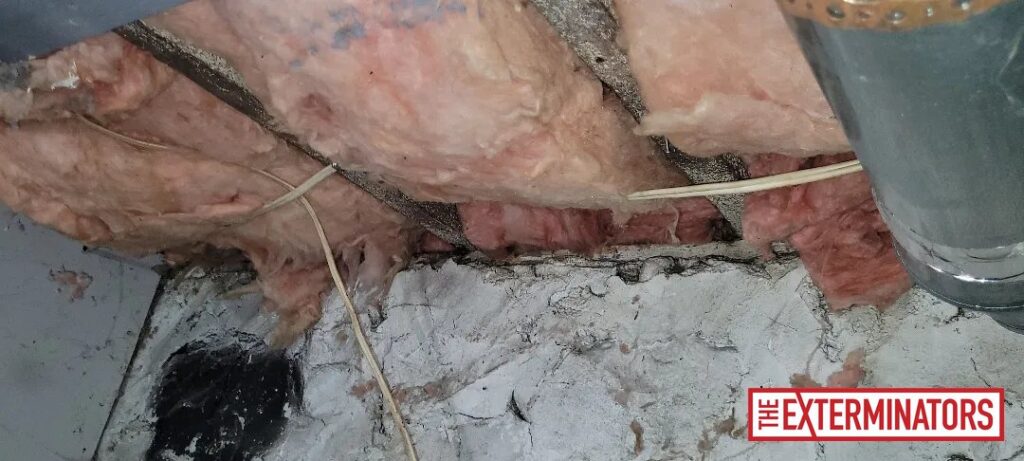
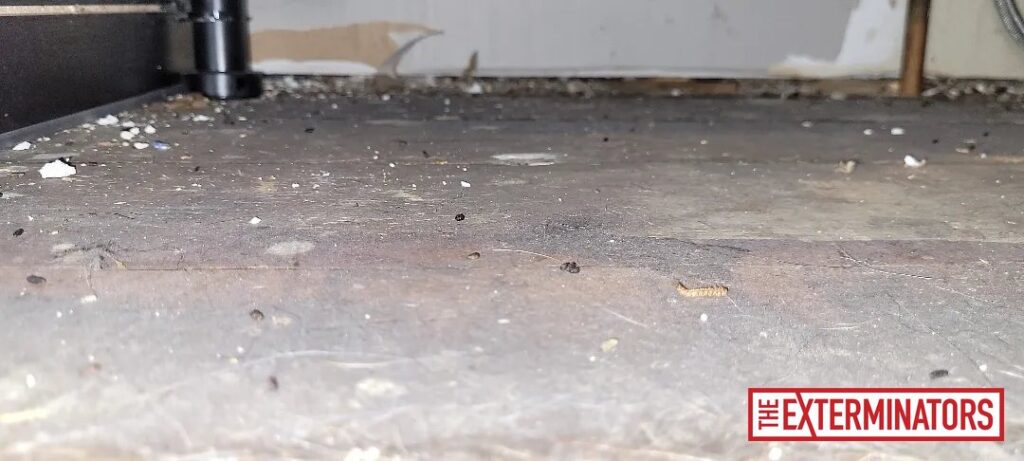
During the first visit, Andrew inspected the affected areas and confirmed mouse activity. Interior evidence visible during the inspection included small dark droppings consistent with the technician’s findings.
The exterior inspection identified foundation gaps requiring repair and an exterior wall vent requiring protection. Photographs also show accessible gaps along exterior structural junctions. Based on these findings, the homeowner was provided with a scope for targeted exclusion work.
Cause Analysis
Mice can use small gaps at foundation transitions, wall penetrations, vents, and other openings in the exterior building envelope. Once an accessible opening connects with concealed wall, floor, or utility spaces, mice can move into interior areas of a house.
At this property, the foundation gaps and unprotected wall vent were identified as exterior conditions requiring correction. The treatment therefore combined population control with structural exclusion.
Treatment / Removal
Our licensed exterminator performed the mouse treatment in accordance with Ontario Ministry of the Environment guidelines.
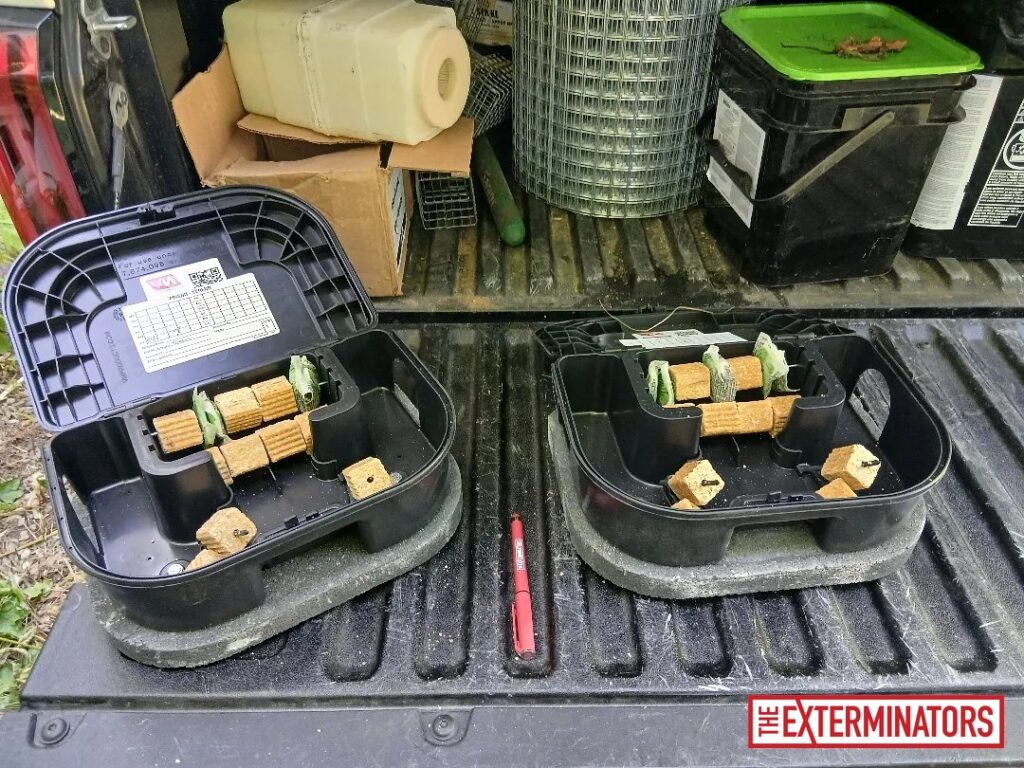
During the first visit, tamper-resistant bait stations containing commercial-grade rodenticide were placed inside in areas of confirmed activity. Following approval of the additional work, two exterior rodent bait stations were also installed to support the treatment program around the building.
Exclusion & Repairs
During the second visit, our team completed the approved exterior exclusion work.
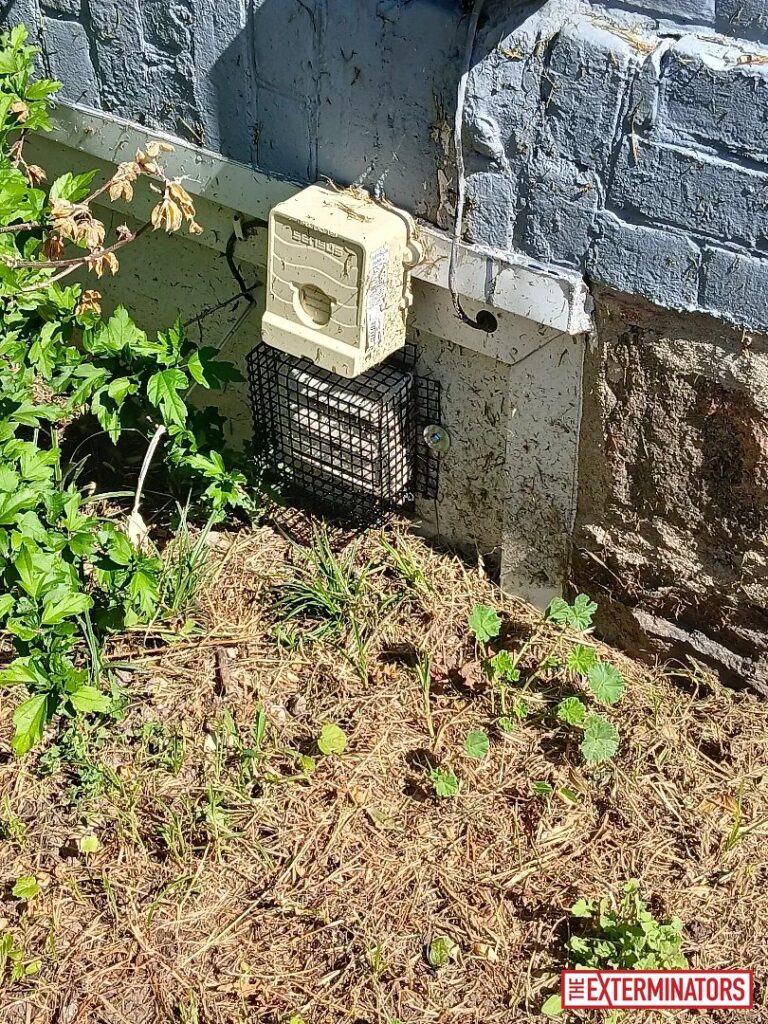
A total of 14 feet of foundation gaps was sealed using mortar or concrete. One exterior wall vent was protected with a galvanized steel cage to prevent rodent access while retaining the vent opening for its intended function.
The exclusion focused specifically on the structural conditions identified during the initial inspection rather than relying on baiting alone.
Outcome & Confirmation
At the third visit, the homeowner reported that mouse activity was no longer being heard or observed inside the affected unit.
Our team checked the exclusion work and confirmed that the identified entry points had been sealed. No further activity was reported at the conclusion of the documented service.
Technician Notes
Andrew confirmed mouse activity during the initial visit and identified foundation openings and a wall vent as areas requiring exclusion.
The completed program combined interior treatment, two additional exterior rodent bait stations, 14 feet of foundation-gap sealing, and protection of one exterior wall vent. The final follow-up confirmed that the homeowner was no longer reporting mouse activity.
